
Introduction / Executive Summary
In October 2019, Tesla rolled out the first Model 3 from its newly‑built Shanghai Gigafactory, marking the first wholly foreign‑owned automobile plant in China since 2003. The launch gave Tesla a direct manufacturing foothold in the world’s largest auto market, bypassing tariffs and local‑partner constraints. This case follows the decision‑making process that led to the factory’s rapid construction, the strategic alternatives the company weighed, and the outcomes that reshaped its global supply chain.
Company & Industry Background
Founded in 2003, Tesla positioned itself as a premium electric‑vehicle (EV) brand with a vertically integrated model: it designs batteries, software, and vehicles in California and sells directly to consumers. By 2017, the Model S and Model X had captured a niche of affluent early adopters in the United States and Europe, but sales volumes remained modest compared with legacy automakers.
Globally, the EV market was accelerating. The International Energy Agency reported that EV sales grew from 450,000 units in 2015 to over 2.1 million in 2019, driven by stricter emissions standards and falling battery costs. China, with a population of 1.4 billion and a government mandate to have EVs represent 20 % of new car sales by 2025, became the most attractive destination for any automaker seeking scale.
China’s auto sector is dominated by state‑owned giants such as SAIC, FAW, and BYD, which benefit from preferential financing, extensive dealer networks, and deep local supply chains. Foreign brands traditionally entered through joint ventures (JVs) that required a 50 % local partner, limiting control over technology and profit margins. Tesla’s ambition to sell a fully American‑designed car without a JV set it apart from the prevailing entry model.
The Business Challenge
In early 2018, Tesla faced three converging pressures: (1) a 25 % import tariff on fully built vehicles that eroded price competitiveness, (2) mounting demand from Chinese consumers who were willing to pay a premium for a brand associated with innovation, and (3) a strategic imperative to achieve the economies of scale needed to lower battery costs and sustain profitability. The core question was whether to continue shipping cars from Fremont, California, or to establish a local manufacturing base that could serve China and potentially export to other Asian markets.
Analysis
SWOT Overview
| Strengths | Weaknesses |
|---|---|
| Strong brand equity for high‑tech EVs | Limited production capacity at Fremont |
| Integrated battery and software platform | No existing dealer network in China |
| First‑mover advantage in premium EV segment | Higher price point than domestic rivals |
| Opportunities | Threats |
| China’s aggressive EV subsidies and quota policies | Regulatory risk: potential changes to foreign‑ownership rules |
| Access to a low‑cost, high‑volume supply chain | Intense price competition from BYD, NIO, Xpeng |
| Export gateway to Southeast Asia | Intellectual‑property concerns in a protected market |
Porter’s Five Forces
- Buyer Power: Chinese consumers are price‑sensitive but also value brand prestige; Tesla’s direct‑to‑consumer model reduces dealer markup, increasing buyer leverage.
- Supplier Power: Local battery suppliers such as CATL wield significant bargaining power; however, Tesla’s Gigafactory includes its own cell‑production line, mitigating dependence.
- Competitive Rivalry: Legacy automakers are launching EVs, but few can match Tesla’s software over‑the‑air updates and Supercharger network.
- Threat of Substitutes: Public transportation and ride‑hailing services present alternatives, yet premium EV ownership remains a status symbol in major Chinese cities.
- Threat of New Entrants: High capital intensity and regulatory hurdles keep new foreign entrants limited; domestic startups benefit from government backing.
PESTEL Factors
Political: The Chinese government’s “Made in China 2025” plan encourages advanced manufacturing, yet foreign firms must navigate complex approval processes. Economic: Rapid urbanization and rising middle‑class incomes fuel demand for premium cars. Social: Growing environmental awareness makes EVs socially desirable. Technological: China leads in battery manufacturing, offering cost advantages. Environmental: Stricter emissions standards create a regulatory tailwind for EVs. Legal: In 2018, China relaxed the rule that required a local JV for automobile manufacturing, opening a narrow window for wholly foreign‑owned plants.
Strategic Options Considered
Tesla’s senior team evaluated three realistic pathways:
- Option A – Continue Import‑Only Model: Ship all vehicles from Fremont, absorb the 25 % tariff, and rely on a small sales office in Shanghai. This preserved capital but left the price gap widening.
- Option B – Joint Venture with a State‑Owned Partner: Form a 50/50 JV with a local OEM to gain market access and share risk. The trade‑off was loss of control over proprietary battery technology and diluted brand positioning.
- Option C – Build a Wholly Foreign‑Owned Gigafactory in Shanghai: Leverage the 2018 regulatory opening, invest $2 billion in a greenfield plant, and produce Model 3 and Model Y locally. This required massive upfront capital and rapid execution but promised tariff elimination, supply‑chain integration, and a platform for regional exports.
What the Company Actually Did / Outcome
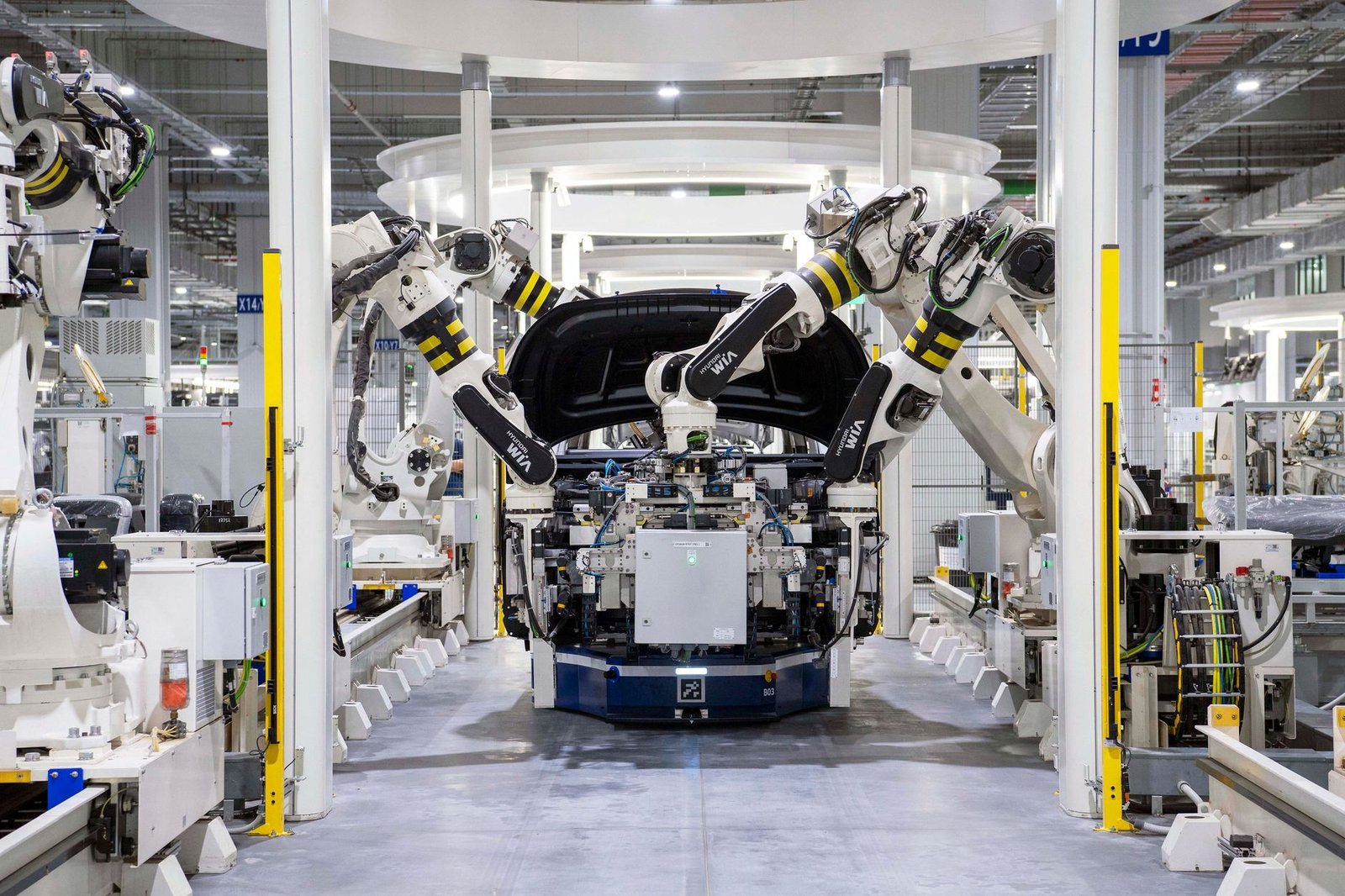
In July 2018, Tesla announced its intention to construct a wholly foreign‑owned Gigafactory on a 860‑acre site in the Pudong district. Construction began in January 2019, and the factory produced its first Model 3 by October 2019—an unprecedented 10‑month timeline for a plant of that scale. By the end of 2020, the Shanghai facility was delivering roughly 140,000 vehicles per year, cutting the average selling price in China by about 15 % relative to imported models.
The outcomes were multi‑dimensional:
- Financial Impact: Tesla’s gross margin on China‑made cars rose to 20 %+, compared with sub‑15 % on imports, because the tariff was eliminated and logistics costs fell.
- Strategic Positioning: The Gigafactory gave Tesla direct control over production, allowing rapid software updates and a consistent customer experience across markets.
- Supply‑Chain Benefits: Local sourcing of battery cells and aluminum reduced lead times and created a network of Chinese suppliers that could support future models.
- Regulatory Relations: By complying with the new foreign‑ownership rule, Tesla earned goodwill from Beijing, which later granted the company a license to sell its autonomous‑driving software.
- Export Potential: In 2022, Tesla began shipping Model Y units from Shanghai to markets in Southeast Asia, leveraging the plant’s excess capacity.
Critics note that the rapid rollout strained local labor relations and that Tesla still faces competition from domestic EV makers who benefit from larger subsidies. Nevertheless, the Shanghai Gigafactory remains a cornerstone of Tesla’s global growth strategy and a benchmark for foreign manufacturers seeking a deep‑rooted presence in China.
Key Takeaways for MBA Students
- Regulatory timing can create a narrow but decisive window for market entry; monitoring policy shifts is as vital as financial analysis.
- Vertical integration can offset high tariffs and supply‑chain volatility, but it demands substantial upfront capital and execution discipline.
- Choosing a wholly foreign‑owned plant over a joint venture preserves technology control but requires strong local stakeholder management.
- Speed of execution can be a competitive advantage; Tesla’s 10‑month construction timeline set an industry benchmark.
- Building a local manufacturing base can transform a premium‑price brand into a cost‑competitive player in a price‑sensitive market.
Discussion Questions
- How would Tesla’s strategy differ if China had maintained the mandatory joint‑venture requirement for foreign automakers?
- What risks does a wholly foreign‑owned plant pose in terms of political and cultural integration, and how can they be mitigated?
- Assess the trade‑off between speed of market entry and the depth of local supply‑chain development. Which should dominate decision‑making?
- In what ways can Tesla leverage its Shanghai Gigafactory to expand into other Asian markets without cannibalizing its existing operations?
Disclaimer: This case study is intended for educational discussion only. It synthesizes publicly available information and should be cross‑checked against primary sources before academic citation.