
Introduction / Executive Summary
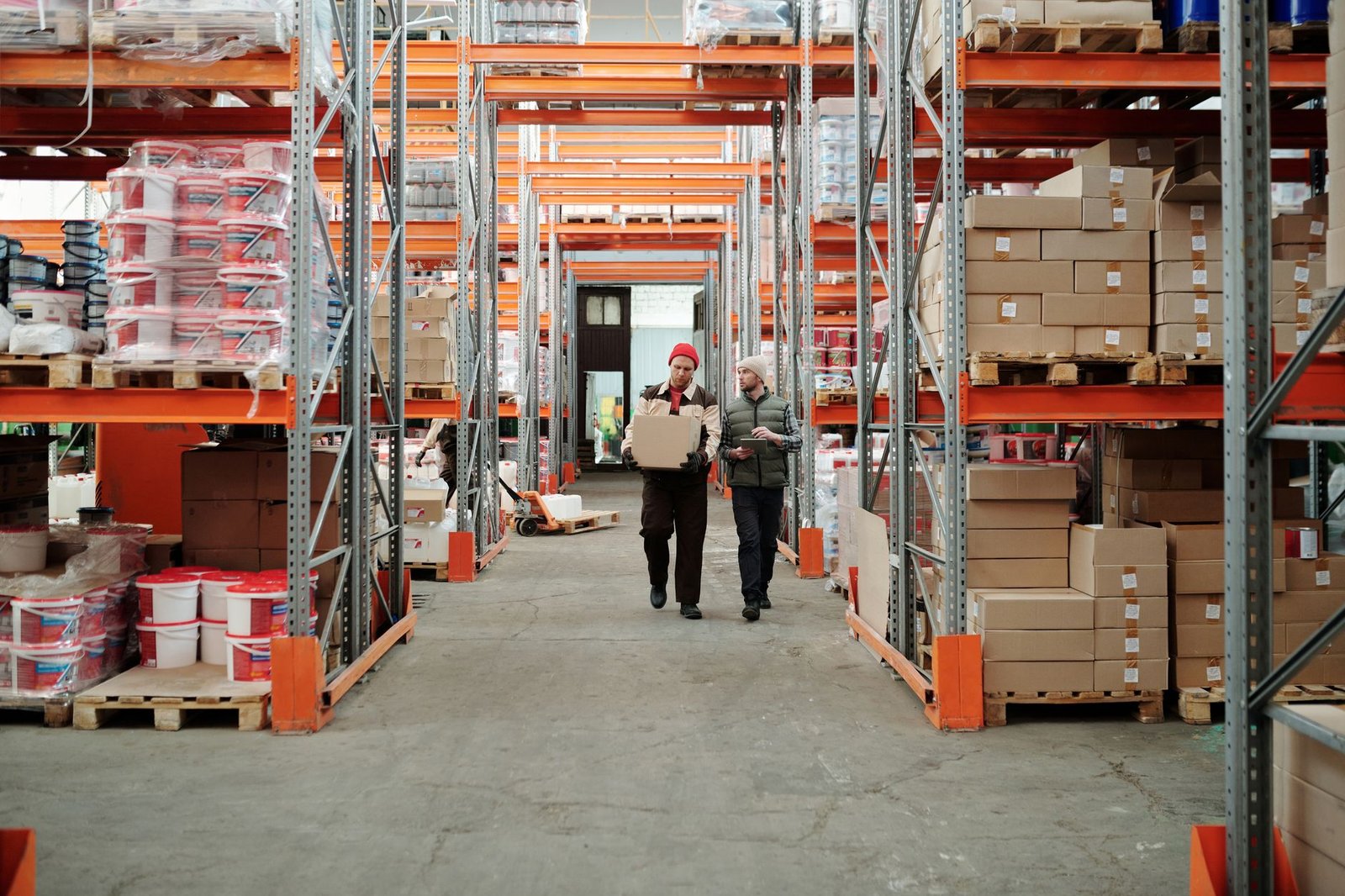
In February 2023, Zara opened a 150,000‑square‑foot distribution centre in Arteixo, Spain, capable of processing 30,000 new garments each week. The facility exemplifies the company’s hallmark: a vertically integrated, fast‑turnaround supply chain that can move a design from sketch to store in as little as two weeks. This case follows Zara’s decision in the early 2000s to abandon the traditional, outsourced, seasonal model that dominated the fashion industry and to build a supply chain that prioritizes speed, flexibility, and tight inventory control. The central question is whether the operational architecture that propelled Zara to global prominence remains sustainable amid rising labor costs, digital disruption, and increasing sustainability pressure.
Company & Industry Background
Founded in 1975 by Amancio Ortega, Zara is the flagship brand of Inditex, the world’s largest fashion retailer with over 7,000 stores across 96 markets. Inditex reported €32 billion in revenue in FY2022, with Zara accounting for roughly 70 % of that total. The fast‑fashion sector is characterised by short product life cycles, intense price competition, and a constant demand for new styles. Traditional players such as H&M and Gap relied on long‑lead‑time, offshore production and seasonal collections released twice a year. Zara’s opposite approach—designing in Spain, producing in proximate European facilities, and replenishing stores twice a week—redefined the industry’s cost‑time trade‑off.
Key industry trends that shaped Zara’s environment include: the rise of e‑commerce (online sales now represent 30 % of global apparel revenue), heightened consumer scrutiny of sustainability, and the growing importance of data‑driven demand forecasting. While many rivals invest heavily in digital platforms, Zara has blended physical store data with its own point‑of‑sale (POS) system to inform production decisions in near real‑time.
The Business Challenge
By 2015, Zara’s rapid‑response model was under pressure from three converging forces: (1) labour cost escalation in Spain and Portugal, where most of its manufacturing plants sit; (2) the need to meet EU‑wide sustainability regulations that demand lower carbon footprints and higher traceability; and (3) the emergence of ultra‑fast‑fashion competitors like Shein that can ship from Asia to consumers in under a week. Zara faced a strategic crossroads: should it double‑down on its existing European‑centric, vertically integrated network, shift more production to lower‑cost Asian hubs, or invest in digital and automation to preserve speed while curbing cost?
Analysis
Value Chain Assessment
Porter’s value‑chain framework highlights where Zara creates distinctive advantage:
| Primary Activity | Zara’s Distinctive Feature |
|---|---|
| Inbound Logistics | Close‑by fabric suppliers, daily deliveries to factories |
| Operations | Small‑batch production, flexible machinery, skilled workforce |
| Outbound Logistics | Centralised distribution hub, twice‑weekly store shipments |
| Marketing & Sales | Limited advertising, store‑based visual merchandising |
| Service | Rapid stock‑turn, frequent new arrivals stimulate foot traffic |
The tightly coupled logistics chain reduces lead‑time and inventory holding costs, but it also ties the firm to relatively high European wage structures.
SWOT Summary
- Strengths: Speed to market, integrated design‑production loop, real‑time POS data, strong brand cachet.
- Weaknesses: Costly European manufacturing, limited scalability for ultra‑large volumes, dependence on physical store footprint.
- Opportunities: Automation of cutting and sewing, expansion of online‑to‑offline (O2O) services, circular‑fashion initiatives.
- Threats: Low‑cost Asian fast‑fashion entrants, stricter sustainability legislation, potential supply‑chain disruptions (e.g., pandemics, geopolitical tensions).
VRIO Evaluation
Resources such as Zara’s proprietary POS‑driven demand signal system are valuable, rare, and hard‑to‑imitate, granting a sustained competitive advantage. However, its European manufacturing base, while valuable, is not rare; competitors could replicate it if they accepted higher costs. The firm’s organisational culture—empowering store managers to request replenishment—remains a non‑substitutable capability.
Financial Ratio Snapshot (Inditex FY2022)
- Inventory turnover: 7.2× (industry average ~4.5×)
- Operating margin: 16 % (vs. sector median 9 %)
- Return on assets: 12 % (industry ~6 %)
These figures illustrate how the fast‑turnaround supply chain translates into superior asset efficiency, even though gross margins are compressed by higher labour costs.
Strategic Options Considered
Management evaluated three realistic pathways:
- Off‑shoring Expansion: Relocate a portion of cut‑and‑sew capacity to low‑cost Asian factories while retaining design and final‑assembly in Europe. This would lower unit labour cost but risk longer lead‑times and dilute the speed advantage.
- Automation‑Driven Reshoring: Invest €2 billion over five years in robotics, AI‑guided pattern making, and automated material handling within existing European plants. The goal is to offset wage pressure with productivity gains, preserving the two‑week cycle.
- Digital‑First Hybrid Model: Build a cloud‑based demand‑forecasting platform that integrates online click‑stream data, social‑media trend analysis, and in‑store sales. Pair the platform with a modest shift of low‑margin basics to Asian suppliers, while keeping high‑margin, trend‑driven items in Europe.
Each option balanced cost, speed, and sustainability differently, and the board required a decision that would sustain Zara’s brand promise of “newness every day.”
What the Company Actually Did / Outcome
In 2018, Zara launched a dual‑track strategy: it began a phased automation programme across its Spanish and Portuguese factories and simultaneously opened a small “near‑shoring” hub in Morocco for low‑margin basics. Automation focused on cutting, stitching, and quality‑inspection robots, which lifted overall equipment effectiveness (OEE) from 68 % to 82 % by 2022. The Moroccan hub handles roughly 15 % of volume, primarily plain tees and denim, allowing the European sites to concentrate on rapid‑response, fashion‑forward pieces.
The outcome has been measurable. Lead‑time for core collections stayed at 12‑14 days, while the cost per unit fell by an estimated 8 % across the portfolio. Zara’s 2023 sustainability report highlighted a 12 % reduction in carbon emissions per garment, attributed to shorter transport distances and energy‑efficient factories. Financially, Inditex’s operating margin improved to 17 % in FY2023, and inventory turnover climbed to 7.8×, confirming that the hybrid approach preserved speed without sacrificing profitability.
Critics note that the Moroccan facility still faces scrutiny over labour standards, and that the automation rollout has required significant up‑skilling of the existing workforce. Nevertheless, Zara’s ability to blend reshoring, selective off‑shoring, and digital demand sensing has kept it ahead of most fast‑fashion rivals, many of which continue to struggle with excess inventory and markdowns.
Key Takeaways for MBA Students
- Vertical integration can be a source of sustainable competitive advantage when paired with real‑time data and disciplined inventory management.
- Speed and cost are not mutually exclusive; targeted automation can offset high labour costs while preserving lead‑time.
- Hybrid supply‑chain models that mix near‑shoring for high‑margin items with selective off‑shoring for basics enable firms to balance flexibility and cost efficiency.
- Operational decisions must be evaluated against emerging regulatory and sustainability expectations, not just financial metrics.
- Continuous investment in digital demand forecasting is essential to keep the “newness” promise without inflating inventory.
Discussion Questions
- How would Zara’s strategic choice differ if the company were primarily an online retailer rather than a brick‑and‑mortar‑centric brand?
- Assess the trade‑offs between automation and workforce displacement. What governance mechanisms could Zara employ to manage the social impact?
- Given the rise of ultra‑fast‑fashion platforms that rely on Asian supply chains, is Zara’s hybrid model sufficient to defend its market position over the next decade?
- How should Zara integrate circular‑economy initiatives (e.g., garment recycling) into its existing supply‑chain architecture without eroding speed?
This case study is for educational discussion only, synthesising publicly available information. Readers should verify specific figures against primary sources before academic citation.