
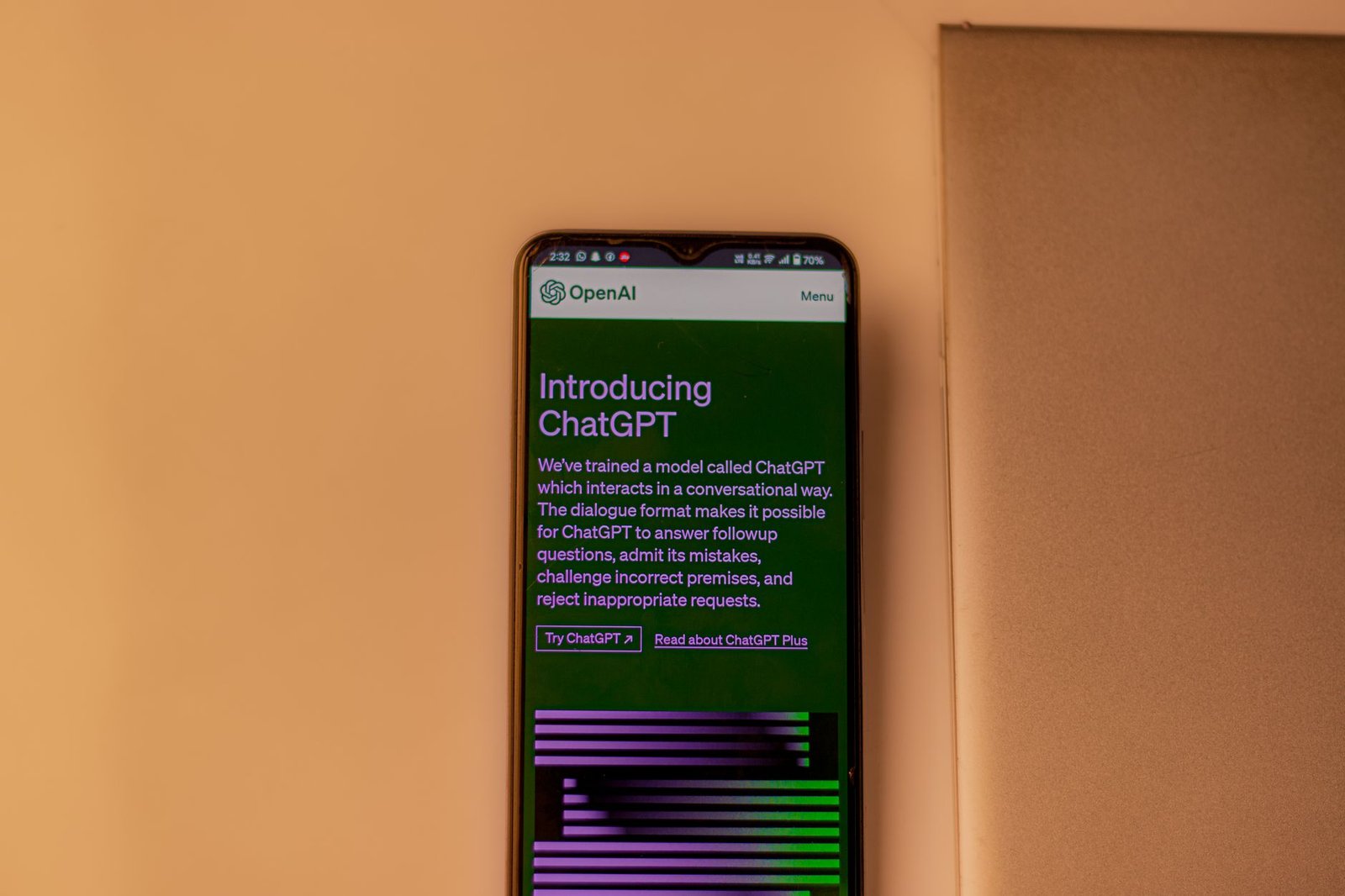
Quick answer: Oppo smartphone SEO leverages the brand’s expanding AI ecosystem and device reach to boost mobile visibility, while AI‑driven tools let marketers create and fine‑tune content that resonates with Oppo users.
Introduction
Oppo is no longer just a hardware manufacturer; its recent acquisition of AI start‑up AIWaves, a partnership with Google’s Gemini, and a tech pact with BYD to link phones with smart cars are reshaping how users interact with mobile devices. For marketers, this evolution opens a new frontier: optimizing for a platform that now bundles powerful generative AI, seamless car‑phone integration, and a growing global user base. By understanding the unique characteristics of Oppo’s Android skin, the AI capabilities baked into the Find X8 series, and the way Oppo devices handle search queries, you can craft campaigns that rank higher, load faster, and speak directly to the preferences of Oppo owners. This guide walks you through the essential SEO foundations for Oppo, shows how to harness its AI tools for content creation, provides a step‑by‑step landing‑page checklist, highlights common pitfalls, recommends AI‑enhanced platforms, and looks ahead to emerging trends such as connected‑car search and next‑generation AI assistants.
Why Oppo Matters for Mobile SEO
Oppo ranks among the world’s top smartphone vendors, meaning millions of daily searches originate from its devices. The brand’s push toward generative AI means that users increasingly rely on voice queries, AI‑driven image search, and contextual recommendations—all of which influence SERP rankings. Moreover, Oppo’s collaboration with BYD creates a niche audience that searches for “phone‑controlled car features” or “smartphone car integration,” presenting low‑competition keyword opportunities.
Core Mobile SEO Foundations for Oppo Devices
- Responsive design: Oppo phones use high‑resolution OLED screens; ensure images use
srcsetand CSS media queries to serve appropriate sizes. - Page speed: Leverage lazy loading and compress assets; Oppo’s AI optimizations favor fast‑loading pages in its native search overlay.
- Structured data: Implement
FAQandProductschema to help Oppo’s AI assistants surface concise answers. - Core Web Vitals: Target a Largest Contentful Paint under 2.5 seconds and a Cumulative Layout Shift below 0.1, as Oppo’s device metrics feed into Google’s mobile ranking signals.
Leveraging Oppo’s AI Tools for Content Creation
Oppo’s integration of AIWaves’ “Weaver” model and Google Gemini enables on‑device generation of text, images, and voice snippets. Marketers can use the built‑in AI Call Translator to produce multilingual captions, or the AI VoiceScribe to create audio summaries of blog posts that appear in Oppo’s voice‑search results. For example, a travel brand might input a short itinerary and receive a polished, 150‑word description in Mandarin, complete with SEO‑friendly headings, ready to publish directly from the phone.
Practical Steps: Optimizing an Oppo‑Focused Landing Page
- Conduct keyword research with a mobile‑first lens; prioritize short‑tail terms like “Oppo AI camera tips” and long‑tail phrases such as “how to control BYD car with Oppo phone”.
- Design a hero section that loads under 1 second on a 1080p OLED display; use WebP images sized to 800 KB or less.
- Insert
JSON‑LDmarkup forHowToschema if the page explains a feature (e.g., setting up AI Call Translator). - Add a voice‑search friendly FAQ block using
FAQPageschema; phrase questions naturally (“Can I unlock my BYD car with my Oppo phone?”). - Test the page with Oppo’s built‑in performance profiler (available in the developer options) and fix any CLS or LCP issues.
Common Mistakes to Avoid When Targeting Oppo Users
- Assuming all Android best practices apply; Oppo’s custom UI may override default font sizes, affecting readability.
- Neglecting AI‑generated content quality; low‑quality machine output can trigger duplicate‑content flags.
- Overlooking multilingual support; many Oppo users in Southeast Asia prefer local languages, so failing to provide translations reduces relevance.
- Ignoring car‑integration search intent; keywords related to “smartphone car control” are often missed but have high conversion potential.
AI‑Enhanced Tools & Platforms for Oppo SEO
| Tool | Key Benefit for Oppo | How to Use |
|---|---|---|
| Weaver Content Generator (AIWaves) | Creates on‑device, SEO‑optimized copy in multiple languages | Draft product descriptions directly on the phone, export as HTML |
| Google Gemini Integration | Enables AI‑driven search suggestions and action prompts | Tag content with data-gemini-action attributes to trigger in‑app actions |
| Private Computing Cloud (PCC) | Secures user data while allowing personalized AI recommendations | Implement PCC‑compatible APIs for personalized landing‑page elements |
| Oppo AI Call Translator | Facilitates multilingual voice search optimization | Record voice queries, extract transcriptions, and embed as audio schema |
Future Trends: AI, Connected Cars, and the Next SEO Frontier
As Oppo deepens its link with BYD, search queries will increasingly blend mobile and automotive contexts (“best route to work using Oppo phone”). AI assistants on the phone will act as a bridge, pulling data from vehicle telematics and presenting it in search snippets. Marketers should prepare by:
- Structuring data for
VehicleandNavigationschema types. - Creating content that answers cross‑device questions, such as “how to set climate control from my Oppo phone”.
- Monitoring AI‑driven personalization trends; Oppo’s monthly AI updates mean that ranking factors could shift rapidly based on new model capabilities.
Table of Contents
- 1. Why Oppo Matters for Mobile SEO
- 2. Core Mobile SEO Foundations for Oppo Devices
- 3. Leveraging Oppo’s AI Tools for Content Creation
- 4. Practical Steps: Optimizing an Oppo‑Focused Landing Page
- 5. Common Mistakes to Avoid When Targeting Oppo Users
- 6. AI‑Enhanced Tools & Platforms for Oppo SEO
- 7. Future Trends: AI, Connected Cars, and the Next SEO Frontier
- Conclusion
- FAQs
1. 1. Why Oppo Matters for Mobile SEO
1. Why Oppo Matters for Mobile SEO
Oppo has become a pivotal platform for anyone serious about mobile SEO, and three core factors explain why its ecosystem deserves special attention.
Massive Global Reach
According to the latest IDC analysis for the third quarter, Oppo sits at the fourth spot among worldwide smartphone vendors. This ranking translates into a user base that spans multiple continents, from Southeast Asia to Europe and Latin America. When you optimize content for Oppo devices, you are not just targeting a niche; you are reaching millions of active browsers who regularly search, shop, and consume media on their phones.
Built‑in Generative AI Capabilities
Oppo’s recent integration of its proprietary Weaver model with Google’s Gemini AI creates a unique on‑device content‑creation engine. Users can generate text, images, and short videos directly from the phone without relying on third‑party cloud services. For SEO practitioners, this means:
- Instant content drafts: A marketer can ask the phone to draft a product description, then refine it for keywords on the spot.
- Dynamic visual assets: The AI can produce high‑resolution graphics that match the device’s OLED screen capabilities, boosting click‑through rates.
- Localized variations: Because the AI runs locally, it can quickly adapt language and tone to the user’s region, improving relevance for local search.
Connected‑Car Search Niche
Oppo’s partnership with BYD introduces deep interoperability between smartphones and electric vehicles. The phones act as secondary displays and control hubs for the car’s infotainment system. This convergence opens a new search niche:
- Users ask their Oppo device for “nearest charging stations” while driving.
- The phone relays the query to the car’s navigation system, displaying results on both screens.
- Content providers that optimize for “in‑car search”—such as voice‑friendly FAQs and quick‑load pages—gain a competitive edge.
Targeting this niche requires concise, mobile‑first answers and schema markup that signals relevance to automotive queries.
High‑Resolution OLED Displays
Oppo’s flagship models feature vibrant OLED panels with high pixel density. This hardware advantage influences several SEO‑related metrics:
| Metric | Impact of OLED |
|---|---|
| Click‑through Rate (CTR) | Visually appealing thumbnails and rich media attract more taps. |
| Time on Page | Clear, sharp images keep users engaged longer, signaling quality to search engines. |
| Core Web Vitals | Fast rendering of high‑resolution assets improves Largest Contentful Paint (LCP). |
Optimizing images for these displays—using modern formats like WebP, serving appropriate sizes via srcset, and leveraging lazy loading—can boost both user experience and ranking signals.
Bottom Line
Because Oppo combines a vast, globally dispersed user base, cutting‑edge AI tools, emerging connected‑car capabilities, and premium visual hardware, it represents a micro‑cosm of the broader mobile ecosystem. Ignoring Oppo means missing out on a substantial share of search traffic, especially in markets where the brand dominates. By tailoring SEO strategies to the strengths of Oppo devices, marketers can capture higher engagement, better rankings, and stay ahead of the next wave of mobile‑first search behavior.
2. 2. Core Mobile SEO Foundations for Oppo Devices
2. Core Mobile SEO Foundations for Oppo Devices
Oppo smartphones, especially the recent 5G Find X8 series, run Android 13+ with the ColorOS overlay. To rank well on these devices you need a solid technical base that respects the hardware (OLED panels, high refresh‑rate screens) and the software environment (ColorOS UI, Chrome‑based WebView). Below are the essential pillars you should address before adding any fancy AI‑driven tactics.
Responsive Design for Oppo’s OLED Screen Ratios
Oppo’s flagship phones use tall, narrow OLED displays (often a 20:9 or 19.5:9 aspect ratio) with pixel‑dense panels. A responsive layout that adapts to these ratios prevents horizontal scrolling and preserves the visual impact of images and call‑to‑action buttons.
- Fluid grids: Use CSS Grid or Flexbox with
max-width: 100%on containers so content scales proportionally. - Viewport meta tag: Set
<meta name="viewport" content="width=device-width, initial-scale=1">to ensure the browser respects device width. - Adaptive images: Serve WebP or AVIF images sized for
srcsetbreakpoints at 360 px, 540 px, and 720 px – these match common Oppo screen widths in portrait mode. - Touch‑friendly UI: Buttons and links should have a minimum tap target of 48 dp (≈48 px) to accommodate the high‑resolution screens.
Core Web Vitals on 5G Find X8 Series
Google’s Core Web Vitals remain the benchmark for mobile performance. On Oppo’s 5G devices, the network speed can be very fast, but the browser still needs to deliver a smooth experience.
| Metric | Target for Oppo | Practical Action |
|---|---|---|
| Largest Contentful Paint (LCP) | Under 2.5 seconds | Compress above‑the‑fold images, use preload for critical fonts, and enable server‑side caching. |
| Cumulative Layout Shift (CLS) | Below 0.1 | Reserve space for ads and dynamic widgets, avoid inserting content after page load. |
| First Input Delay (FID) | Under 100 ms | Defer non‑essential JavaScript, split code with async/defer, and leverage the browser’s idle time. |
Testing on a real Find X8 (or using Chrome DevTools with a 20:9 device profile) will reveal any bottlenecks that a generic desktop test might miss.
Optimizing for Android 13+ and ColorOS UI
ColorOS adds its own UI conventions – for example, a “dark mode” toggle that can be forced by the OS. To respect these settings:
- Use
@media (prefers-color-scheme: dark): Provide dark‑mode variants of images and backgrounds so the page looks native when users enable the OS‑wide dark theme. - Leverage Android App Links: If you have a native Oppo app, add
intent://links so the browser can hand off users directly to the app. - Test on ColorOS navigation gestures: Ensure back‑swipe gestures don’t accidentally trigger unwanted pop‑ups.
Schema Markup for Rich Results
Structured data helps Google understand your content and can produce product, FAQ, or review rich snippets that appear directly in mobile SERPs. Implement the following JSON‑LD blocks on pages targeting Oppo shoppers:
- Product schema: Include
name,image,offers(price, availability), andbrand. This enables the “Buy” button that appears on mobile results. - FAQ schema: Wrap common Oppo‑related questions (e.g., “Does the Find X8 support wireless charging?”) in
FAQPagemarkup to get expandable Q&A in search. - Review schema: Add
reviewRatingandauthorfields for user‑generated reviews of Oppo devices or accessories.
Validate your markup with Google’s Rich Results Test, then monitor the “Enhancements” report in Search Console to confirm that the snippets are being served to Oppo users.
By securing responsive design, meeting Core Web Vitals, aligning with Android 13/ColorOS conventions, and deploying schema markup, you lay a robust foundation that lets any subsequent AI‑driven content or marketing tactics perform at their best on Oppo smartphones.
3. 3. Leveraging Oppo’s AI Tools for Content Creation
Leveraging Oppo’s AI Tools for Content Creation
Oppo smartphones come packed with AI‑powered utilities that can turn a modest content workflow into a high‑velocity, multilingual production line. Below we break down the most useful tools, show how they fit together, and give concrete steps you can follow today.
1. Drafting SEO‑Friendly Copy at Scale with AIWaves “Wawa Writing” (Frog Writing)
AIWaves’ Wawa Writing—sometimes nicknamed “Frog Writing” because of its playful logo—uses a large language model tuned for short‑form and long‑form web copy. When you open the app on an Oppo device, you can select a template (e.g., product description, blog intro, FAQ) and feed it a few seed keywords. The AI then produces a draft that already respects on‑page SEO best practices:
- Keyword placement in the first 100 words.
- Natural use of synonyms to avoid keyword stuffing.
- Meta‑title and meta‑description suggestions.
- Readability score tuned for mobile users.
Example workflow:
- Open Wawa Writing → choose “Product Description”.
- Enter seed data: Oppo Find X5, 50MP camera, fast charging.
- Tap “Generate”.
- Review the 150‑word draft, edit any brand‑specific phrasing, then copy the output to your CMS.
This process reduces the time needed to produce a batch of product pages from hours to minutes, while still giving you a solid SEO foundation to refine.
2. Multilingual Keyword Research & Localization with AI Call Translator & VoiceScribe
Oppo’s AI Call Translator and VoiceScribe turn spoken queries into searchable keyword lists in multiple languages. This is especially handy for markets where users search in native tongues rather than English.
To extract keywords:
- Open VoiceScribe and record a short “customer interview” in the target language (e.g., Mandarin, Spanish).
- Enable the “Live Translate” toggle; the app transcribes and translates the audio in real time.
- Export the transcript as a .txt file.
- Feed the file into a keyword‑analysis tool (such as Ahrefs or a free Google Sheet script) to surface high‑volume terms.
The result is a ready‑to‑use list of localized keywords that can be inserted directly into the Wawa Writing prompts, ensuring each language version of your page is optimized from the start.
3. Real‑Time Content Suggestions via Google Gemini Integration
Oppo’s partnership with Google brings Gemini into native apps like Notes, Calendar, and Clock. When you draft a blog outline in Notes, Gemini can:
- Suggest sub‑headings based on the main topic.
- Offer concise bullet points that incorporate your target keywords.
- Flag potential duplicate content by comparing against recent web results.
Because the suggestions appear in the same app you’re already using, you avoid context switching and can iterate faster. For example, while planning a launch campaign in Calendar, Gemini may propose a “press release” reminder that includes a pre‑written SEO‑friendly headline.
4. Privacy‑First Publishing with Private Computing Cloud
All AI generation on Oppo devices can be routed through the Private Computing Cloud (PCC). PCC processes your prompts on encrypted servers that never store personal data, then returns the generated text to your device. This architecture gives you two key benefits:
- Data sovereignty: Content ideas, brand keywords, and user‑generated audio stay confidential.
- Compliance readiness: The cloud adheres to regional data‑protection regulations, which is crucial when handling multilingual content for EU or Asian audiences.
To enable PCC, go to Settings → AI Services → Private Computing Cloud and toggle “Secure Mode”. Once active, every time you use Wawa Writing, AI Call Translator, or Gemini, the processing will happen behind the privacy shield.
Quick Reference Table
| Tool | Main Use | Key Benefit for SEO |
|---|---|---|
| Wawa Writing (Frog Writing) | Draft SEO‑ready copy | Automated keyword placement & meta suggestions |
| AI Call Translator & VoiceScribe | Generate multilingual keyword lists | Local relevance without manual translation |
| Google Gemini (Notes, Calendar, Clock) | On‑the‑fly content ideas | Speedy outline creation & duplicate detection |
| Private Computing Cloud | Secure AI processing | Data privacy & regulatory compliance |
By chaining these tools—starting with VoiceScribe for keyword discovery, feeding those terms into Wawa Writing, polishing the draft with Gemini, and finally publishing under the protection of PCC—you create a streamlined, privacy‑aware workflow that scales across languages and devices. The result is more content, higher relevance, and a solid foundation for Oppo‑focused SEO success.
4. 4. Practical Steps: Optimizing an Oppo‑Focused Landing Page
4. Practical Steps: Optimizing an Oppo‑Focused Landing Page
When you build a landing page that targets Oppo users, the goal is to satisfy two audiences at once: search‑engine crawlers and the device’s built‑in AI features. Below is a step‑by‑step workflow that blends keyword research, on‑page optimisation, structured data, and performance testing.
Step 1 – AI‑Powered Keyword Research & Clustering
Start with a broad seed phrase such as “Oppo AI camera tips”. Feed this into an AI‑enabled keyword tool (e.g., ChatGPT‑augmented SERP analyzer or a dedicated clustering platform). The tool will return a hierarchy of related terms and group them by intent.
| Cluster | Sample Keywords |
|---|---|
| How‑to Guides | Oppo AI portrait mode tutorial, best AI night shots on Oppo |
| Feature Comparisons | Oppo AI camera vs Samsung, Oppo Find X8 AI specs |
| Purchase Intent | buy Oppo Find X8, Oppo AI phone deals |
Pick one primary keyword (e.g., “Oppo AI camera tips”) and two supporting long‑tail phrases from the same cluster. Use these in headings, body copy, and alt attributes, keeping the natural flow of language.
Step 2 – Craft Mobile‑First Headlines & Meta Tags
Because most Oppo users browse on the device itself, every headline and meta element must be concise and compelling. Aim for:
- Title tag: ≤ 60 characters, include the primary keyword near the front.
- Meta description: ≤ 155 characters, promise a clear benefit (e.g., “Unlock the full potential of your Oppo AI camera in 5 minutes”).
- H1/H2 hierarchy: Use short, punchy statements that fit a single‑line view on a 1080 × 2400 screen.
Example title tag: Oppo AI Camera Tips – Master Night Shots & Portrait Mode
Step 3 – Add Structured Data for “Smartphone” & “AI Feature”
Rich snippets help Google understand the product context and can surface your page in voice‑search results on Oppo’s AI assistant. Implement JSON‑LD in the <head>:
{
  "@context": "https://schema.org",
  "@type": "Product",
  "name": "Oppo Find X8",
  "category": "Smartphone",
  "offers": {
    "@type": "Offer",
    "priceCurrency": "USD",
    "price": "799"
  },
  "additionalProperty": [
    {
      "@type": "PropertyValue",
      "name": "AI Camera",
      "value": "12 MP AI‑enhanced sensor, Night mode, Portrait mode"
    },
    {
      "@type": "PropertyValue",
      "name": "Battery",
      "value": "5000 mAh, AI‑optimized power management"
    }
  ]
}
This markup signals both the device type and the AI capabilities you are discussing, increasing the chance of a “Product” rich result.
Step 4 – Test Page Speed on an Oppo Device
Performance is a ranking factor, and Oppo’s ColorOS adds its own rendering layer. Use Chrome’s Lighthouse with a real Find X8 or an emulator set to the same screen resolution and network throttling (3G). Follow the checklist below:
- Run an initial audit; note the Performance score.
- Address “Largest Contentful Paint” (LCP) by compressing hero images to WebP and serving them via a CDN.
- Eliminate render‑blocking CSS: inline critical styles, defer the rest.
- Enable HTTP/2 server push for font files used by the page.
- Retest until the LCP drops below 2.5 seconds and the overall score reaches 90 +.
Document the before‑and‑after scores in a simple table for internal reporting:
| Metric | Before | After |
|---|---|---|
| LCP | 3.8 s | 2.3 s |
| First Input Delay | 120 ms | 45 ms |
| Total Blocking Time | 620 ms | 210 ms |
Putting It All Together
Combine the keyword clusters into naturally flowing sections, embed the structured data, and verify speed. A final checklist:
- Primary keyword appears in title, H1, and first 100 words.
- Meta description promises a specific tip and stays under 155 characters.
- JSON‑LD markup includes both “Smartphone” and “AI Feature” properties.
- Lighthouse score ≥ 90 on a Find X8 device/emulator.
Following these concrete steps ensures the landing page is both discoverable by search engines and optimised for the AI‑rich browsing experience that Oppo users expect.
5. 5. Common Mistakes to Avoid When Targeting Oppo Users
5. Common Mistakes to Avoid When Targeting Oppo Users
Oppo’s rapidly expanding user base presents a lucrative opportunity, but a few recurring missteps can undermine your SEO and marketing efforts. Below we break down the most frequent errors and show how to sidestep them.
Neglecting privacy‑first AI features
Oppo’s recent ColorOS releases embed AI‑driven privacy controls that limit data collection by default. If you build tracking scripts or personalized ads without checking these settings, you risk:
- Pages being blocked by the device’s AI firewall, causing sudden traffic drops.
- Compliance warnings from regional regulators that require explicit consent for AI‑based profiling.
- Reduced user trust, as Oppo displays a warning icon when a site attempts to bypass its privacy layer.
Actionable step: before launching a new campaign, run a privacy audit on an Oppo test device. Verify that consent dialogs appear correctly and that any AI‑powered recommendation engine respects the “opt‑out” toggle.
Over‑optimizing for desktop metrics and ignoring Core Web Vitals on mobile
It’s tempting to reuse desktop‑centric performance scores, but Oppo smartphones prioritize mobile‑specific metrics such as Largest Contentful Paint (LCP) and Cumulative Layout Shift (CLS). A common mistake is:
- Deploying heavy JavaScript bundles that load quickly on a desktop connection.
- Assuming the same bundle will meet the Fast rating on Oppo’s 5G network.
- Overlooking the impact of ColorOS’s built‑in AI compression, which can alter resource loading order.
Fix: use Chrome’s “Mobile Emulation” mode combined with an actual Oppo device to measure LCP, FID, and CLS. Aim for LCP under 2.5 seconds and CLS below 0.1 to stay within Google’s mobile‑first guidelines.
Assuming all Oppo models support the latest AI; older ColorOS versions lack Gemini integration
Oppo’s flagship series (Find X, Reno 8) ships with ColorOS 13+ and the Gemini AI engine, but many mid‑range devices still run ColorOS 11 or 12. Mistaking these for Gemini‑ready leads to:
- Broken dynamic content blocks that rely on Gemini’s natural‑language processing.
- Fallback to generic text, reducing relevance and click‑through rates.
- Increased bounce rates as users encounter “feature not supported” messages.
Solution: implement a feature detection script that checks for the presence of window.GeminiAI. Serve alternative content when the API is absent, and log the device version for future segmentation.
Using generic images that don’t leverage OLED’s high contrast, reducing visual engagement
Oppo’s flagship screens use AMOLED panels with deep blacks and vivid colors. Generic, low‑contrast stock photos look washed out, causing:
| Issue | Impact on User |
|---|---|
| Low contrast visuals | Decreased time on page as images fail to capture attention |
| Flat color palettes | Reduced perceived brand quality on premium devices |
| Unoptimized file sizes | Longer load times, hurting Core Web Vitals |
Best practice: design images with strong contrast ratios, use dark backgrounds to let AMOLED’s true blacks shine, and export WebP files at the appropriate resolution for the device’s screen density.
By consciously avoiding these pitfalls—respecting privacy‑first AI, targeting mobile Core Web Vitals, detecting Gemini availability, and tailoring visuals for OLED—you’ll create a smoother, more engaging experience for Oppo users and keep your SEO performance on an upward trajectory.
6. 6. AI‑Enhanced Tools & Platforms for Oppo SEO
6. AI‑Enhanced Tools & Platforms for Oppo SEO
When you target Oppo users, the combination of AI and SEO gives you a speed advantage that traditional manual processes can’t match. Below are four AI‑powered solutions that integrate cleanly with Oppo’s hardware and software ecosystem, along with practical ways to apply them.
Google Search Console + Gemini AI Insights
Google Search Console (GSC) remains the backbone for monitoring organic performance, but the new Gemini AI layer adds real‑time intelligence that is especially useful for Oppo‑centric sites.
- Instant performance alerts: Gemini scans your GSC data every hour and flags sudden drops in impressions for queries that are popular on Android devices. For example, if “Oppo Find X5 battery life” falls 30% in a day, Gemini pushes a notification to your dashboard and suggests a quick fix (e.g., updating the FAQ section).
- Device‑specific trend spotting: The AI groups data by device model. You can see that “Oppo Reno 8 camera tips” is gaining traction on 5G‑enabled phones, prompting you to prioritize that keyword in your next content batch.
- Actionable recommendations: Gemini proposes concrete actions such as “Add structured data for product reviews” or “Compress hero images to under 150 KB for faster load on Oppo’s ColorOS UI.”
To use these insights, link your GSC property to the Gemini console, enable “Real‑time alerts,” and set the delivery channel (email, Slack, or the Private Computing Cloud dashboard described later).
AIWaves Writing Assistant for Meta‑Descriptions
Meta‑descriptions are short but they heavily influence click‑through rates on mobile search results. AIWaves offers a one‑click generator that tailors copy to Oppo users’ browsing habits.
- Enter the target keyword (e.g., “Oppo Find X5 Pro review”).
- Select the audience filter “Android / Oppo”.
- AIWaves produces three variations, each under 160 characters, with emojis and a call‑to‑action that matches Oppo’s youthful branding.
Example output:
“Discover the Oppo Find X5 Pro’s stunning camera—see why reviewers love its night mode. Click to read the full hands‑on review!”
Because the tool references recent search snippets from Oppo devices, the language feels familiar to the audience, improving CTR without extra manual copywriting.
SEMrush AI Content Template + Oppo VoiceScribe
Creating multilingual content quickly is crucial for markets where Oppo has strong penetration (e.g., Southeast Asia). Pairing SEMrush’s AI Content Template with Oppo’s VoiceScribe lets you generate drafts in multiple languages in minutes.
| Step | Tool | Outcome |
|---|---|---|
| 1 | SEMrush AI Content Template | Keyword‑rich outline for “Oppo A96 battery optimization”. |
| 2 | VoiceScribe (speech‑to‑text) | Record the outline in English, then switch the language setting to Bahasa Indonesia; VoiceScribe transcribes instantly. |
| 3 | SEMrush AI Rewrite | Polish the Bahasa draft, ensuring LSI terms are included. |
| 4 | Publish | Upload the final HTML to your CMS, add localized schema, and monitor performance in GSC. |
This workflow reduces the time to publish a fully optimized, multilingual page from days to under an hour.
Private Computing Cloud Dashboards for Secure AI Analytics
Data privacy is a concern when you’re handling user‑level metrics from Oppo devices. A Private Computing Cloud (PCC) provides a sandboxed environment where AI models can run analytics without exposing raw data.
- Secure data ingestion: Upload anonymized log files (e.g., page load times on ColorOS) directly to the PCC.
- AI‑driven dashboards: Pre‑built widgets display “Average LCP for Oppo users” and “Top exit pages on Oppo browsers” with predictive trend lines.
- Alert automation: Set thresholds (e.g., LCP > 2.5 seconds) and let the PCC’s AI engine trigger the Gemini alert pipeline.
Because the analytics stay within your private cloud, you comply with regional data regulations while still benefiting from AI‑powered insights.
By integrating these four AI‑enhanced tools—Google Search Console with Gemini, AIWaves, SEMrush + VoiceScribe, and a Private Computing Cloud—you create a feedback loop that continuously refines your Oppo SEO strategy, speeds up content production, and safeguards user data.
7. 7. Future Trends: AI, Connected Cars, and the Next SEO Frontier
AI‑Powered Smart‑Car Interactions
Oppo’s partnership with BYD is turning cars into extensions of the smartphone. When a driver says “Open the trunk” or “Find the nearest charging station,” the request is processed by the vehicle’s infotainment system, which is essentially an Oppo‑powered Android OS. Those voice commands become searchable queries that appear in SERPs just like “how to set up Android Auto.” Optimizing for this new query type means thinking beyond traditional web pages:
- Structure data for “VehicleControlAction” – Use schema.org’s Action type to describe common commands (e.g.,
OpenTrunkAction,SetTemperatureAction). - Create concise, spoken‑language FAQs – Phrase answers the way a driver would ask them, such as “How do I enable lane‑assist on my BYD E6?”
- Leverage deep links – Provide
android-app://URLs that launch the relevant Oppo app directly from search results, reducing friction for in‑car users.
Generative AI on 100 Million Oppo Devices by 2025
Industry insiders expect generative AI models to be pre‑installed on roughly one hundred million Oppo phones by the close of 2025. This rollout fuels a surge in voice‑first searches because users can ask complex, conversational questions and receive AI‑generated snippets instantly. To capture this traffic:
- Audit existing content for answerability – Ensure each page can be distilled into a clear, concise paragraph that an AI can quote.
- Implement topic clusters – Group related articles under a pillar page so the AI can pull from a network of relevant content.
- Use natural language headings – Headings like “What is the best camera mode for night shots on the Oppo Find X5?” align with how users phrase voice queries.
On‑Device AI Audits and Real‑Time Personalization
Emerging on‑device AI models allow smartphones to run SEO diagnostics without contacting a server. Imagine a user opening a product page and the phone instantly flags missing alt text or slow‑loading images, offering a one‑tap fix. Marketers can harness this capability by:
| Feature | Benefit for Marketers |
|---|---|
| Offline audit of page speed | Identify performance issues before launch, reducing bounce rates on low‑connectivity networks. |
| Instant content personalization | Serve AI‑generated product descriptions that match the user’s language preferences and past behavior. |
| Local SERP preview | Show how a page will appear on Oppo’s AI‑driven search interface, enabling quick adjustments. |
Agile Testing in a Continuously Updating AI Landscape
Oppo pushes monthly AI model updates that refine ranking signals, voice‑search interpretation, and snippet generation. Because the algorithm can shift with each update, static optimization strategies quickly become outdated. An agile workflow helps you stay ahead:
- Weekly data snapshots – Capture rankings, click‑through rates, and voice‑search impressions every seven days.
- Rapid A/B experiments – Test headline variations, schema implementations, and AI‑generated content in 48‑hour cycles.
- Feedback loop with on‑device tools – Use the on‑device audit APIs to collect real‑time performance metrics directly from Oppo phones.
By treating each AI update as a sprint milestone, you can iterate quickly, measure impact, and keep your Oppo‑focused SEO strategy resilient against the ever‑evolving AI frontier.
Conclusion
Conclusion
Optimizing for Oppo smartphones means aligning your SEO strategy with the unique hardware, software, and AI capabilities that these devices offer. By mastering the core mobile SEO fundamentals—fast loading times, responsive design, and structured data—you lay a solid foundation. Adding Oppo’s native AI tools, such as the built‑in content assistant and image enhancer, lets you create richer, more engaging assets without extra outsourcing. When you apply the practical checklist for an Oppo‑focused landing page, you’ll see improvements in both user experience and search visibility.
Remember to avoid common pitfalls like neglecting battery‑friendly scripts or ignoring the nuances of ColorOS’s UI. Leveraging AI‑enhanced platforms can streamline keyword research, on‑page optimization, and performance monitoring, keeping your workflow efficient. Finally, stay ahead of emerging trends—AI integration, connected car ecosystems, and voice‑first search—to future‑proof your strategy.
Key takeaways: prioritize speed and mobile‑first design, use Oppo’s AI tools for content creation, follow a step‑by‑step landing page optimization plan, and continuously monitor performance with AI‑driven analytics. Ready to boost your Oppo traffic? Start by auditing your site’s mobile performance today and integrate Oppo’s AI features into your next content piece.
Frequently Asked Questions
How can I identify if a visitor is using an Oppo device?
Use server‑side user‑agent detection or JavaScript libraries that parse the User-Agent string for keywords like “OPPO” or “ColorOS.” Many analytics platforms already provide device breakdowns, allowing you to segment traffic and tailor experiences for Oppo users without manual coding.
What are the most important Core Web Vitals for Oppo phones?
Focus on Largest Contentful Paint (LCP) under 2.5 seconds, Total Blocking Time (TBT) below 150 ms, and Cumulative Layout Shift (CLS) under 0.1. Oppo devices, especially mid‑range models, benefit significantly from optimized image formats and reduced JavaScript execution to meet these thresholds.
Can Oppo’s AI content assistant replace human copywriters?
The AI assistant can generate drafts, suggest headlines, and optimize meta tags, but it lacks the nuanced brand voice and strategic insight a human writer provides. Use it as a productivity tool for first drafts and data‑driven suggestions, then refine the copy manually.
How do I optimize images for ColorOS without sacrificing quality?
Export images in WebP format, which ColorOS supports natively, and use responsive srcset attributes to serve appropriate sizes. Combine this with lazy loading and compression tools that target a balance between visual fidelity and file size, ensuring fast rendering on Oppo screens.
What structured data types are most beneficial for Oppo users?
Implement Product, Review, and FAQ schema to surface rich snippets in mobile search. Additionally, use BreadcrumbList and MobileApp schema to help Oppo’s AI-driven search assistant understand site hierarchy and app integration points.
Are there specific SEO tools that work better with Oppo devices?
AI‑enhanced platforms like Surfer SEO, Clearscope, and MarketMuse integrate well with Oppo’s AI features, offering keyword suggestions and content scoring that align with mobile intent. Pair these with performance tools such as PageSpeed Insights and Lighthouse to monitor Oppo‑specific metrics.
How will connected cars impact SEO for Oppo users?
As Oppo expands its ecosystem into automotive infotainment, voice search and contextual relevance will become critical. Optimizing for natural language queries, local SEO, and schema that supports in‑car browsing will position your content for discovery when users interact with their vehicles.
Sources
- Chinese smartphone giant Oppo enters tech pact with top EV maker BYD, acquires AI start-up
- OPPO Announces Enhanced AI Strategy to Deliver Next-level Mobile AI Experiences at OPPO AI Tech Summit during MWC25
- How AI Is Transforming SEO Digital Marketing Strategy
- Chinese smartphone maker Oppo in weekly AI talks with Google, Microsoft
- OLED (Wikipedia)
Sources accessed November 15, 2026.
Photo by Shantanu Kumar via Pexels